Bio Digesters: Modern Wastewater Treatment for Kenyan Homes
Cleaner, cheaper and greener sanitation — explained by the team that installs them.
Found this article informative? Broadcast these construction insights with your network.
A practical guide to bio digesters — how they treat waste on-site, what they cost to run, and when a septic tank or soak-away is still the better choice.
A bio digester is a sealed tank that uses anaerobic bacteria to break down toilet and kitchen waste into water-safe effluent. Unlike a septic tank, it needs no chemicals and rarely needs emptying — the bacteria do the work continuously.
How a bio digester works
Waste enters the chamber and settles in layers. Bacteria digest the solids, producing biogas (which vents safely) and a clear effluent that flows to a soak-away. The process is the same one used in municipal treatment plants, scaled down for a single home or institution.
Bio digester vs septic tank
- Emptying: septic tanks need pumping every 1–2 years; digesters can go 5+ years.
- Chemicals: digesters need none; septic systems often rely on additives.
- Footprint: digesters are compact — ideal for small Nairobi plots.
- Cost: digesters cost more upfront but less to run.
The WHO sanitation guidelines and Kenya's NEMA effluent standards both support contained treatment where sewers are unavailable.
When to choose a digester
Choose a bio digester for new builds, homes on small plots, schools and apartments. Stick with a septic tank only where soil percolation is very poor and a larger soak-away is impossible.
Joric Builders designs and installs bio digesters sized to your household or institution. See our bio digester service for capacities and pricing.
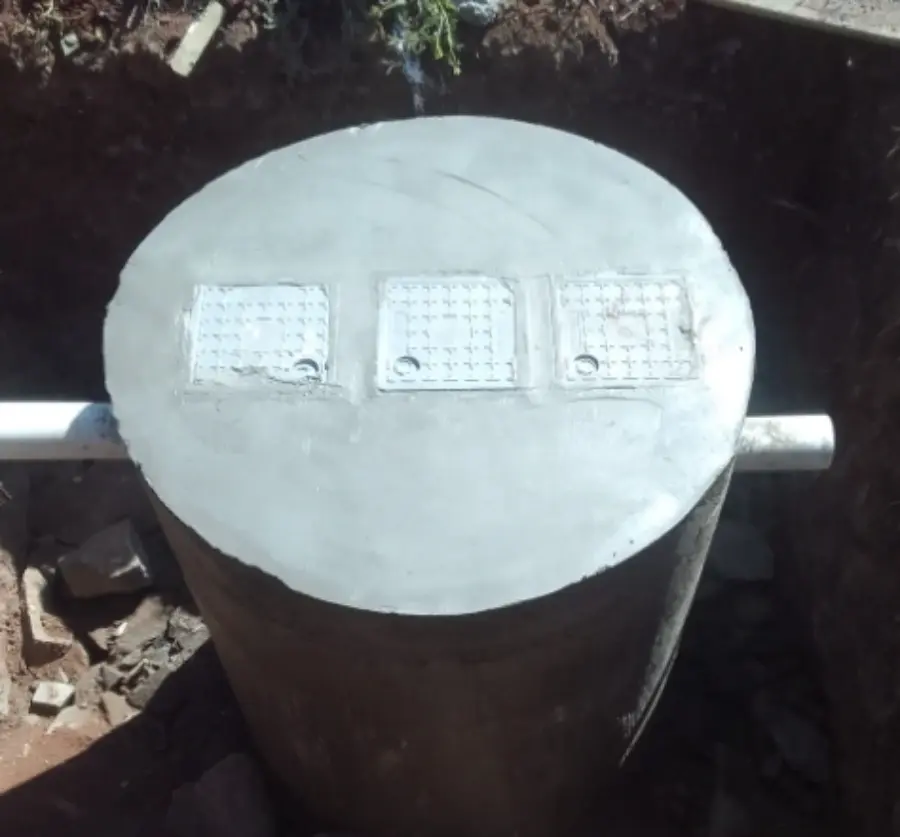
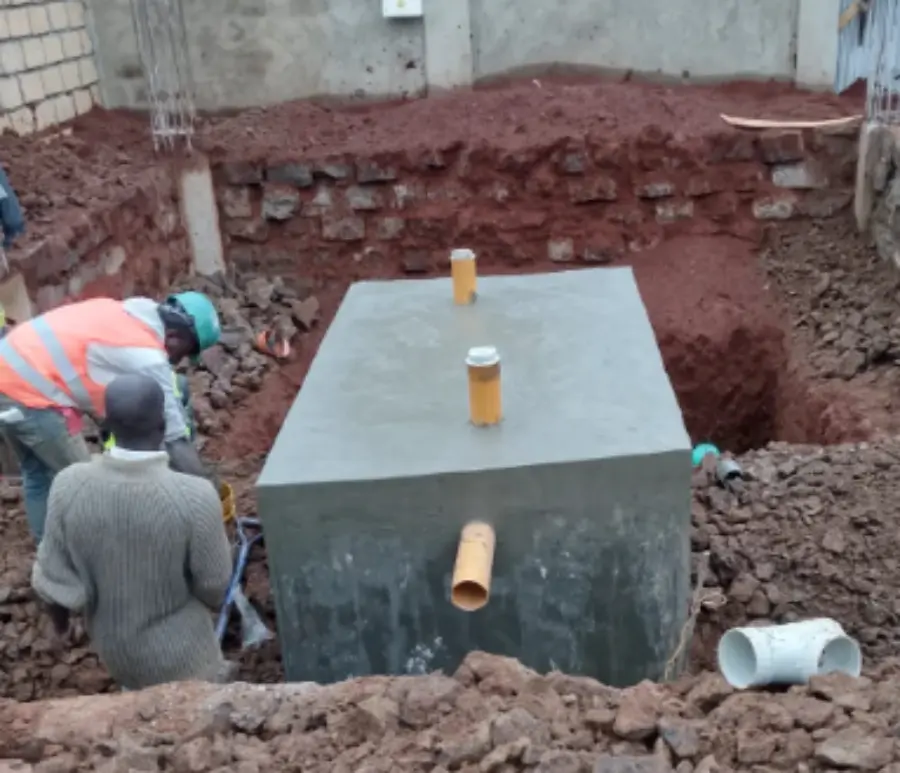
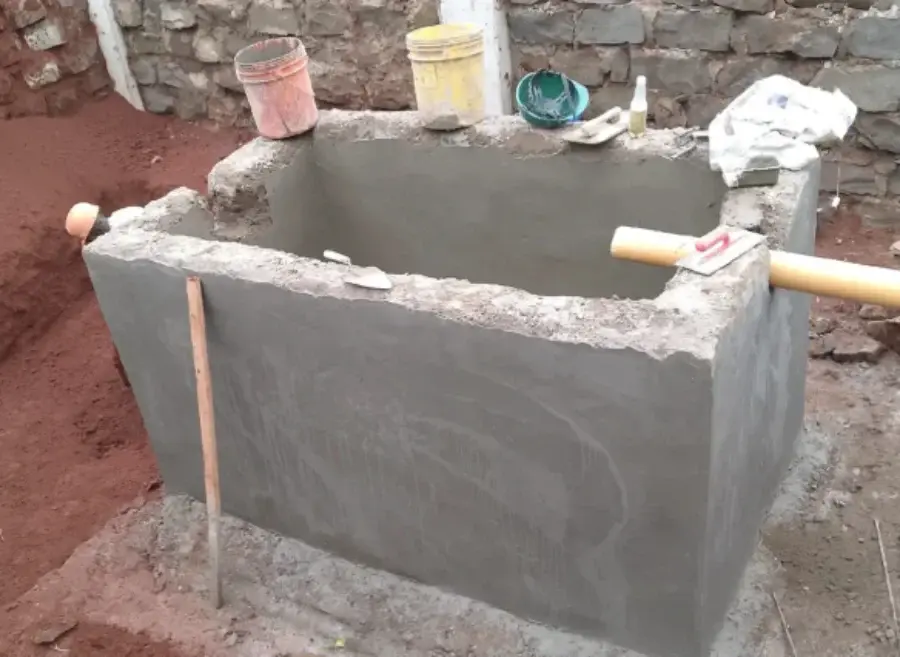
Project & Construction Gallery
References, Codes & External Links
- WHO Guidelines on Sanitation and HealthLink
WHO guidance on safe sanitation systems
- NEMA Effluent Discharge GuidelinesLink
Kenya's environmental standards for wastewater
- Joric Builders Bio Digester ServiceLink
Our bio digester design and installation service
Stay Ahead of Kenya's Construction Trends
Get verified structural advice, NCA updates, material cost indexes, and architectural inspiration straight to your inbox.
Related Stories & Guides
Continue exploring vetted technical guides, Kenya building cost audits, and project case studies.
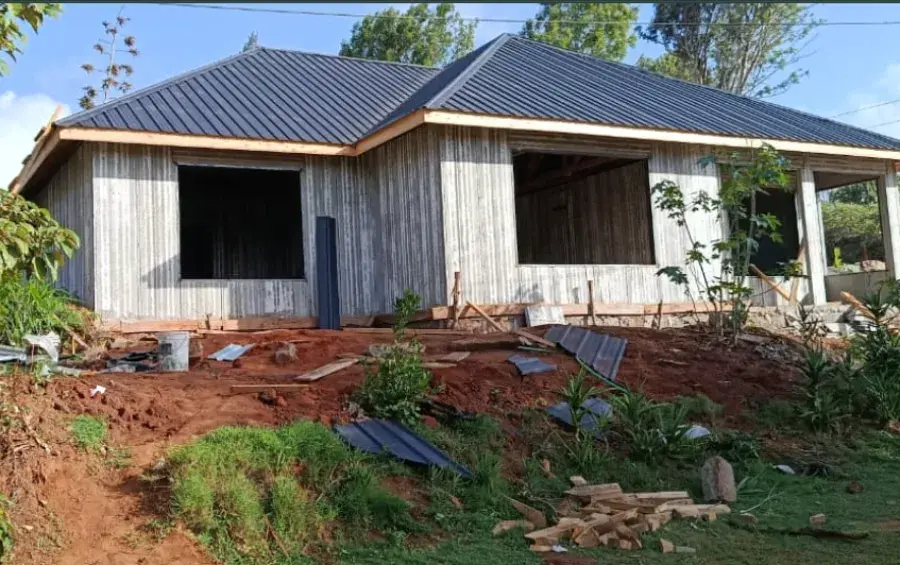
Wall Panels: Fast Interior Finishes That Last
Wall panels finish rooms in days, not weeks. Here's how PVC, gypsum and fibre-cement compare for Kenyan interiors.
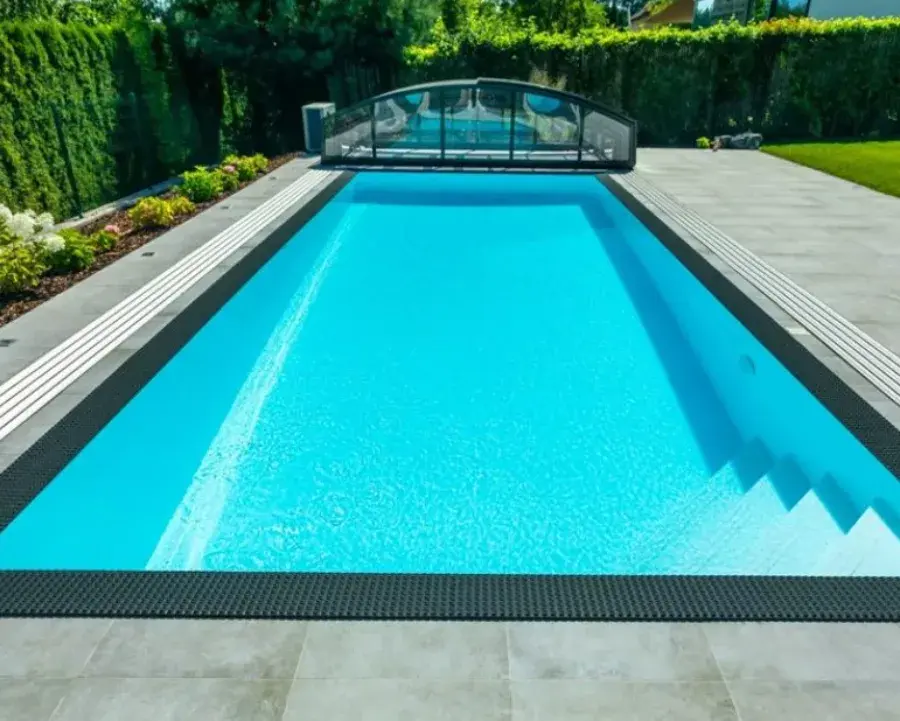
Swimming Pools, Septics and Boreholes: Planning Your Home Utilities
Pool, septic, borehole — plan all three utilities together or pay twice. Siting, sequencing and budget planning explained.
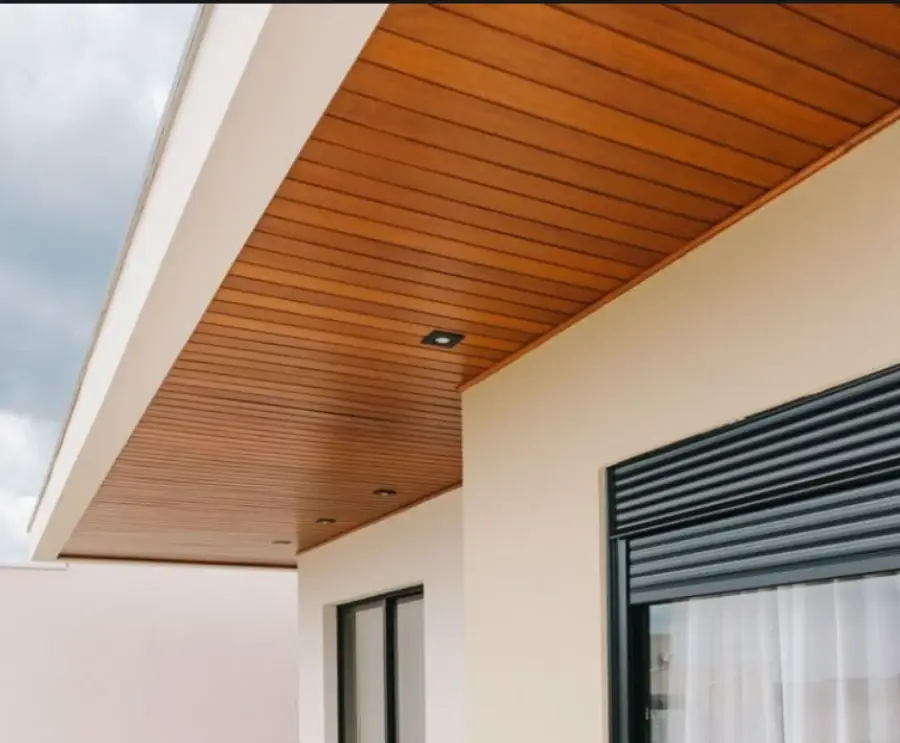
Interior Finishing: Plaster, Ceiling and Painting Done Right
Most interior finish failures come from skipped prep. Here is the correct sequence for plaster, ceilings and paint that lasts.
Was this article helpful?
Loading…